


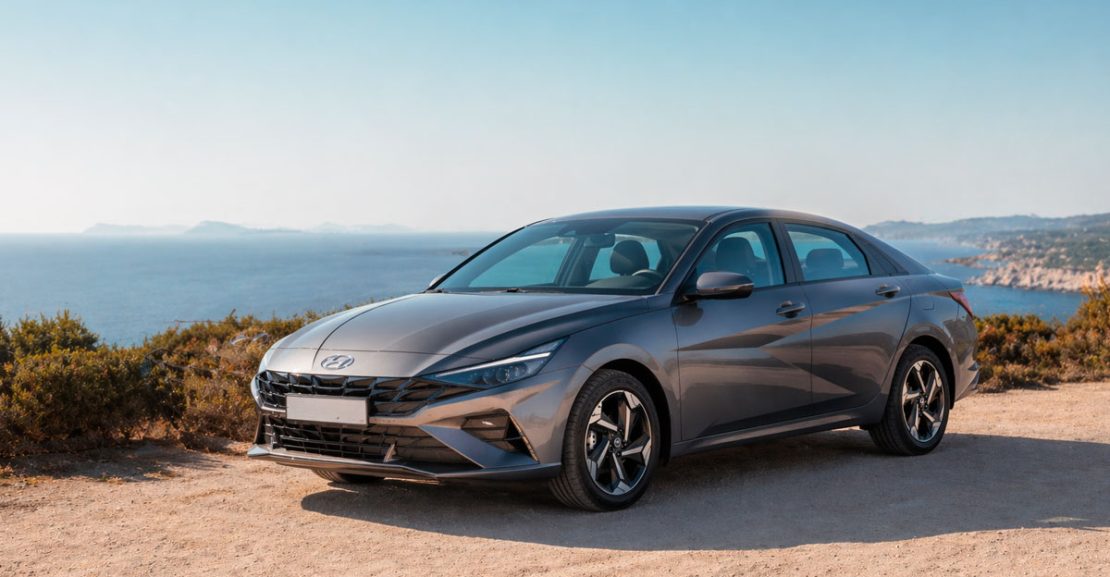
Georgia reveals itself in layers—vineyards hidden behind mountain ridges, medieval towers rising above misty valleys, and coastal roads that suddenly open to the Black Sea. Seeing all of that on your own terms changes everything. Schedules become flexible, routes become personal, and the country feels less like a destination and more like a story you’re actively shaping. Renting a car here isn’t just about transportation; it’s about access—access to quiet villages, remote viewpoints, and experiences that don’t exist on a fixed itinerary.
- Why Traveling by Car Changes the Way You Experience Georgia
- Where a Car Makes the Biggest Difference in Georgia
- Choosing the Right Vehicle for Georgian Roads
- Understanding Local Driving Style and Road Behavior
- Driving Across Cities, Highways, and Mountain Regions
- When You Don’t Need to Drive Yourself
- Comparing Self-Drive, Drivers, and Tour Services
- What to Prepare Before Getting Behind the Wheel
- Costs, Deposits, and What Affects the Price
- Building a Route: How to Plan a Road Trip in Georgia
- Final Thoughts
This guide breaks down exactly why having a car in Georgia can transform your trip, how to approach driving in different regions, and what to prepare before you hit the road.
Why Traveling by Car Changes the Way You Experience Georgia
Public transport connects major cities, but it rarely captures the essence of the country. The real Georgia lives between those points—on winding roads through Kakheti’s vineyards, in mountain passes where every turn reveals a new landscape, and in small roadside bakeries serving fresh khachapuri.
Driving gives you control over timing and rhythm. You decide when to stop, how long to stay, and which detours are worth taking. That freedom leads to experiences that feel spontaneous rather than scheduled.
Key advantages of traveling by car:
- Freedom to explore lesser-known regions without time pressure
- Ability to adjust plans based on weather or local recommendations
- Access to viewpoints, trails, and villages not reachable by public transport
- Comfort and privacy, especially on longer journeys
The result is a trip that feels personal rather than pre-designed.
Where a Car Makes the Biggest Difference in Georgia
Certain parts of Georgia are simply better experienced with your own vehicle. While cities like Tbilisi are easy to navigate without a car, rural and mountainous regions tell a different story.
Regions where driving matters most:
- Kazbegi (Stepantsminda): Mountain landscapes, remote churches, and dramatic viewpoints
- Svaneti: Medieval towers and high-altitude villages with limited transport options
- Kakheti: Wine country with scattered wineries and scenic backroads
- Adjara highlands: Beyond Batumi, where nature becomes more rugged and less accessible
In these areas, relying on taxis or tours limits flexibility and often increases costs over time.
Choosing the Right Vehicle for Georgian Roads
Not every road in Georgia is created equal. Smooth highways connect major cities, but once you head into the mountains, conditions can change quickly.
How to choose the right car:
- Compact car: Ideal for cities and well-maintained highways
- Sedan: Comfortable for long-distance travel between major regions
- SUV or 4×4: Essential for mountainous terrain and remote villages
Important consideration: ground clearance matters more than engine power in many regions. Uneven roads, gravel paths, and steep inclines are common outside urban areas.
Choosing the wrong vehicle can limit your route options, while the right one expands them significantly.
Understanding Local Driving Style and Road Behavior
Driving in Georgia feels dynamic. Traffic flows differently than in many Western countries, and adapting quickly makes the experience smoother.
What stands out on Georgian roads:
- Drivers may change lanes without much warning
- Overtaking happens frequently, even on narrow roads
- Speed limits are not always strictly followed
- Animals occasionally appear on rural roads
Before driving, it’s worth taking time to review the local regulations—especially if you’re unfamiliar with regional differences. You can read more about Traffic Rules in Georgia to avoid unnecessary fines or confusion.
Driving Across Cities, Highways, and Mountain Regions
Each environment in Georgia requires a slightly different approach behind the wheel.
City driving:
Traffic can be busy, especially in Tbilisi. Parking requires patience, and narrow streets demand attention.
Highways:
Major routes are generally well-maintained and allow for faster travel between cities.
Mountain roads:
This is where driving becomes both challenging and rewarding. Expect sharp turns, elevation changes, and occasional weather shifts.
Key tip: always allow extra time when traveling through mountainous areas. Distances may look short on the map but take longer in reality.
When You Don’t Need to Drive Yourself
Driving isn’t always the best option. In certain situations, letting someone else handle the road can improve the experience.
Consider alternatives when:
- You plan to stay mostly in cities
- You’re unfamiliar with mountain driving
- You prefer a relaxed, guided experience
- You’re traveling in a group and want to focus on sightseeing
Comparing Self-Drive, Drivers, and Tour Services
Choosing how to travel depends on your priorities—flexibility, cost, or convenience.
Self-drive:
- Maximum freedom
- Best for independent travelers
- Requires confidence and preparation
Private driver:
- No need to navigate or park
- Local knowledge adds value
- Slightly higher cost but less stress
Tour services:
- Structured itineraries
- Good for first-time visitors
- Limited flexibility
Each option has its place, but self-driving consistently offers the most control over your journey.
Private drivers can be a practical solution for day trips or specific routes, especially when comfort is a priority.
What to Prepare Before Getting Behind the Wheel
Preparation makes the difference between a smooth trip and unnecessary complications.
Checklist before driving:
- Valid driver’s license (international permit if required)
- Passport or ID
- Insurance coverage details
- Offline maps or navigation app
- Emergency contact numbers
Don’t overlook: checking the vehicle condition before departure—tires, fuel level, and basic functionality.
Costs, Deposits, and What Affects the Price
Rental prices in Georgia vary depending on several factors. Understanding them helps you plan your budget more accurately.
Main factors influencing cost:
- Type of vehicle (economy vs SUV)
- Rental duration
- Season (summer and holidays are higher)
- Insurance coverage
- Pickup and drop-off locations
Rental prices range from $20 to $180+ depending on the car model and season. A deposit may vary from $200 to $800, but all details are shown during the booking process.
Deposits are usually required and refunded after the rental period if the car is returned in good condition.
When comparing options, it’s helpful to look at Car Rental in Georgia to understand what’s included and avoid hidden fees.
Building a Route: How to Plan a Road Trip in Georgia
A well-planned route turns a simple drive into a memorable journey. Georgia offers a mix of landscapes within relatively short distances, making it ideal for road trips.
How to structure your route:
- Combine cities with nature (e.g., Tbilisi + Kazbegi)
- Avoid overloading the schedule
- Plan overnight stops in scenic regions
- Leave room for spontaneous detours
If you’re visiting during warmer months, you might explore ideas similar to 7 destinations in Georgia for a spring road trip, which highlight seasonal routes and scenic drives.
Practical tip: always check weather conditions in mountainous areas before departure.
Make Your Car Rental in Georgia Truly Unforgettable
A great road trip in Georgia comes down to balance—planning enough to stay organized while leaving space for unexpected discoveries. The country rewards curiosity. A random turn can lead to a hidden monastery, a roadside market, or a panoramic view that never appears in guidebooks.
Choose the right car, understand the roads, and approach the journey with flexibility. That combination turns a standard trip into something far more meaningful—an experience shaped entirely by your own decisions and sense of adventure.