


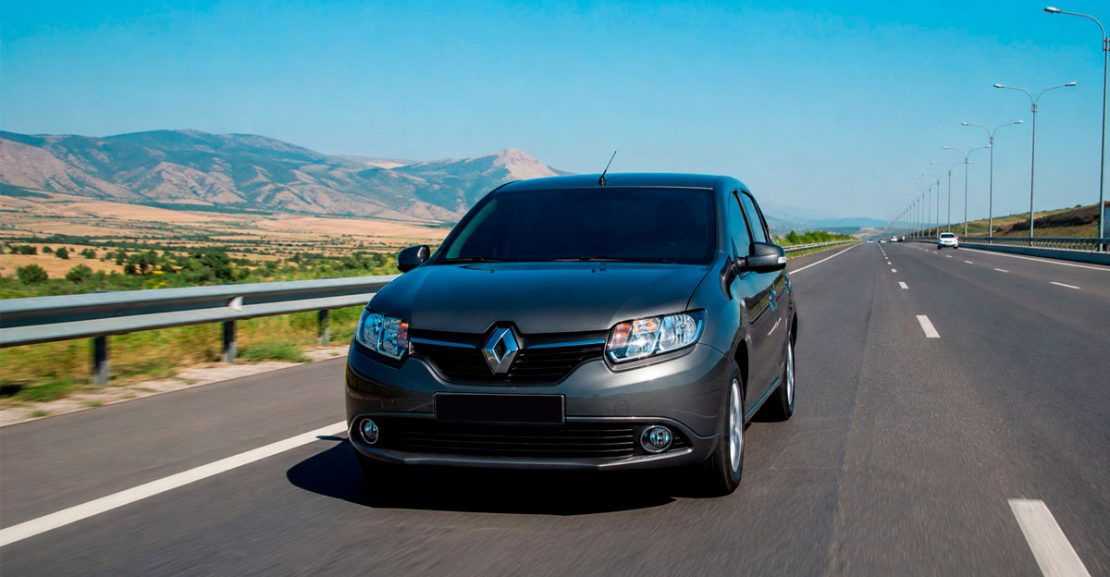
Driving across central Georgia from Tbilisi to Kutaisi reveals two very different sides of the country. One route focuses on speed, modern highways, and quick arrival times. The other passes through older towns, agricultural valleys, and quieter regional roads where everyday Georgian life feels much closer. Both options create completely different travel experiences despite connecting the same two cities.
Road conditions between the capital and western Georgia continue improving every year, especially along the E60 corridor through Rikoti Pass. Long-distance driving has become far easier compared to previous years, and travelers now have access to modern fuel stations, upgraded roadside services, and safer highway infrastructure throughout most of the journey.
Navigating the Route: Speed vs. Scenery
The E60 expressway through Rikoti Pass remains the main route between Tbilisi and Kutaisi. Large sections already operate as a modern four-lane highway designed for faster and more predictable driving. Fresh asphalt, extended tunnels, protective barriers, and improved lane separation make the road significantly easier for drivers unfamiliar with Georgian terrain.
Under normal traffic conditions, the drive takes around three hours without longer stops. Congestion usually appears closer to Tbilisi during busy morning hours and near construction zones where upgrades are still ongoing. Once the road opens beyond Gori, the journey becomes far more consistent. Clear signage and frequent fuel stations also make navigation simple for foreign visitors renting a car in Georgia.
Rikoti Pass creates the most dramatic section of the drive. Dense forests, steep slopes, tunnels carved through rock, and rapidly changing weather conditions give this stretch a distinct atmosphere compared to eastern Georgia. Visibility occasionally drops during rain or fog, particularly in colder seasons, so maintaining safe distance between vehicles becomes important on downhill sections.
Drivers searching for a quieter and more scenic alternative often choose the northern detour through Gomi, Sachkhere, and Chiatura. This older route replaces motorway driving with regional roads passing vineyards, village houses, rivers, and forested hills. Traffic volume remains noticeably lighter, especially outside weekends and local holidays.
The northern road stays fully paved but introduces many more curves and elevation changes. Average speed naturally decreases because of narrower lanes and occasional agricultural traffic moving between villages. Adding around 40–50 extra minutes to the overall journey is completely normal on this route. Drivers choosing this road usually come for the quieter scenery, slower rhythm of village life, and uninterrupted countryside views rarely visible from the expressway.
For a memorable road trip across Georgia, many travelers choose rental cars from Gurosun thanks to their higher comfort level, reliable vehicles, and low prices. Reliable air conditioning and quieter cabin insulation make long stretches through Rikoti noticeably more pleasant during warmer months.
Iconic Pitstops and Attractions
Several worthwhile attractions sit directly beside the E60 route, allowing travelers to explore historical landmarks and local traditions without spending hours on difficult mountain roads. Every stop below has paved access and parking suitable for regular passenger vehicles.
Uplistsikhe Rock-Hewn Town
Ancient stone chambers carved directly into the cliffs above the Mtkvari River make Uplistsikhe one of Georgia’s most fascinating archaeological sites. Narrow passages connect cave halls, ancient storage rooms, open terraces, and hidden tunnels shaped centuries ago. Dry landscapes surrounding the settlement create a striking contrast with the greener western regions later along the drive.
The turnoff from the highway near Gori is straightforward and fully paved. Reaching the site adds very little extra driving time, making it one of the most practical historical stops between Tbilisi and Kutaisi. A large free parking area near the entrance allows visitors to stop easily even during busier travel periods.
Walking paths inside the complex include uneven stone surfaces and steeper sections, so comfortable shoes help considerably during exploration. Early daytime visits usually provide softer temperatures and calmer conditions for photographs across the rocky plateau.
The Stalin Museum in Gori
Located in the center of Gori, the Stalin Museum remains one of the country’s most recognizable Soviet-era landmarks. Massive columns, symmetrical architecture, and monumental halls preserve the atmosphere of mid-20th-century political design. Museum exhibits include historical photographs, personal belongings, documents, and Stalin’s preserved railway carriage displayed within the complex grounds.
Reaching the museum from the E60 requires only a short urban detour through Gori, which fits naturally into the overall route toward western Georgia. Parking areas near the park and museum entrance are generally easy to find throughout the day.
Many visitors combine the museum stop with a coffee break or lunch in central Gori before returning to the motorway. Restaurants, bakeries, and small cafés around the area create a practical pause before continuing toward Rikoti Pass.
Surami Fortress & Nazuki Bakers
Surami marks the entrance toward the Rikoti region and has long served as a traditional stopping point for travelers crossing central Georgia. The old fortress rises above the roadside hills and remains visible directly from the highway approach. Short access roads lead toward the fortress area without requiring lengthy detours.
The town is equally famous for nazuki — sweet Georgian bread baked with spices and raisins. Small roadside bakeries line the route through Surami, with fresh bread displayed directly beside the road throughout the day. Warm nazuki paired with coffee or tea has become a classic snack for drivers heading west.
Stopping here works especially well before entering the Rikoti Pass section. Travelers often use the break to stretch, buy snacks, and enjoy one of the most recognizable bakery traditions in Georgia.
Shrosha Pottery Market
Shrosha has been associated with Georgian pottery for generations, and the roadside ceramic market remains one of the easiest cultural stops along the modernized Rikoti route. Clay jugs, wine vessels, decorative plates, cooking pots, and handmade souvenirs fill long roadside stalls visible directly from the highway.
Special roadside parking bays allow vehicles to pull over directly beside the pottery rows without blocking highway traffic. A quick stop here usually lasts around 10–15 minutes, although travelers interested in traditional Georgian ceramics often stay longer exploring different workshops and displays.
Large clay qvevri vessels used for Georgian winemaking stand beside smaller handmade pieces painted in traditional regional styles. Even travelers who do not plan to buy souvenirs often stop briefly because the pottery displays create one of the most recognizable roadside scenes in western Georgia.
Practical Info: Fuel, Food, and Safety
Long-distance driving between Tbilisi and Kutaisi has become considerably more convenient thanks to modern roadside infrastructure appearing throughout the E60 corridor. Large fuel station complexes now function almost like mini travel centers, especially along the upgraded sections near Rikoti Pass.
Major brands such as Wissol and Socar operate modern service plazas with clean restrooms, supermarkets, pharmacies, coffee counters, and seating areas suitable for longer breaks. Several locations also include familiar fast-food chains and cafés directly beside the highway, including Wendy’s and Dunkin’ Donuts. These larger complexes usually provide the best restroom conditions and more reliable card payment systems for foreign travelers.
Fuel stations become less frequent on the northern scenic detour compared to the expressway route, so filling up before leaving the main highway is usually a smart decision. Mobile signal coverage remains strong across most of the journey, although short interruptions occasionally happen inside tunnels and deeper valley sections.
Georgia uses extensive speed camera enforcement on intercity highways. Average-speed control systems operate on several motorway stretches, especially around Rikoti and recently upgraded sections of the E60. Cameras calculate vehicle speed across longer distances rather than only at a single point, making sudden braking before visible cameras ineffective.
Lane discipline becomes especially important where the motorway temporarily narrows from four lanes into older two-lane sections. Overtaking rules are monitored carefully in these transition areas, and aggressive passing often results in fines. Local drivers may move quickly through open sections of road, though maintaining stable speeds and safe following distance creates a far more predictable driving experience during the journey.
A Road Trip Through the Heart of Georgia
The road from Tbilisi to Kutaisi delivers far more variety than many travelers expect from a three-hour drive. Modern tunnels, Soviet-era landmarks, cave cities, mountain corridors, roadside bakeries, and pottery markets all appear within a single route crossing the heart of Georgia.
Some drivers prefer reaching Kutaisi quickly through the upgraded Rikoti highway, while others turn the journey into a full-day experience filled with historical stops and regional food. Both approaches reveal different layers of the country and make the drive itself feel like an important part of the trip rather than simply transportation between cities.